

The Nature of Luck in Gambling
Luck is often perceived as a random and unpredictable force in the world of gambling. In the context of casinos, luck plays a significant role and can determine the outcome of a player’s experience. While skill and strategy are vital in some games, the inherent randomness associated with luck can create a thrilling atmosphere that draws players into the best online casino australia experience. This unpredictability is what keeps players returning, hoping for that next big win that may very well be just around the corner.
In many casino games, particularly those relying on chance such as slots or roulette, luck is the primary determinant of the outcome. Players can employ various strategies or systems, but these cannot alter the fact that the results are ultimately governed by chance. For example, while a seasoned player might understand the odds, their knowledge cannot guarantee a favorable outcome. This dependence on luck not only enhances the excitement but also levels the playing field for inexperienced gamblers, allowing them to win against seasoned pros purely by chance.
Moreover, the fickle nature of luck can lead to significant emotional highs and lows for players. Winning streaks can create a euphoric sense of confidence, encouraging players to continue gambling in hopes of sustaining their fortune. Conversely, a series of losses can lead to frustration and disappointment. This rollercoaster of emotions is a core part of the gambling experience, illustrating just how critical luck is in shaping a player’s interaction with casino games.
The Psychological Impact of Luck
The psychological aspect of gambling is heavily influenced by the perception of luck. Players often attribute their wins to lucky streaks, which further reinforces the idea that luck is a driving force behind their success. This belief can result in a heightened sense of optimism, encouraging players to engage more frequently in gambling activities. The anticipation of a fortunate outcome can overpower logical reasoning, leading to increased betting and potential losses.
Additionally, casinos themselves capitalize on the psychological impact of luck. From the design of the gaming floor to the use of upbeat music and celebratory sounds during wins, the casino environment is engineered to amplify the feeling of luck. Players are constantly reminded of the possibility of hitting the jackpot, creating an atmosphere rife with hope and excitement. This environment encourages players to continue playing, as they believe that their next spin could be the one that changes everything.
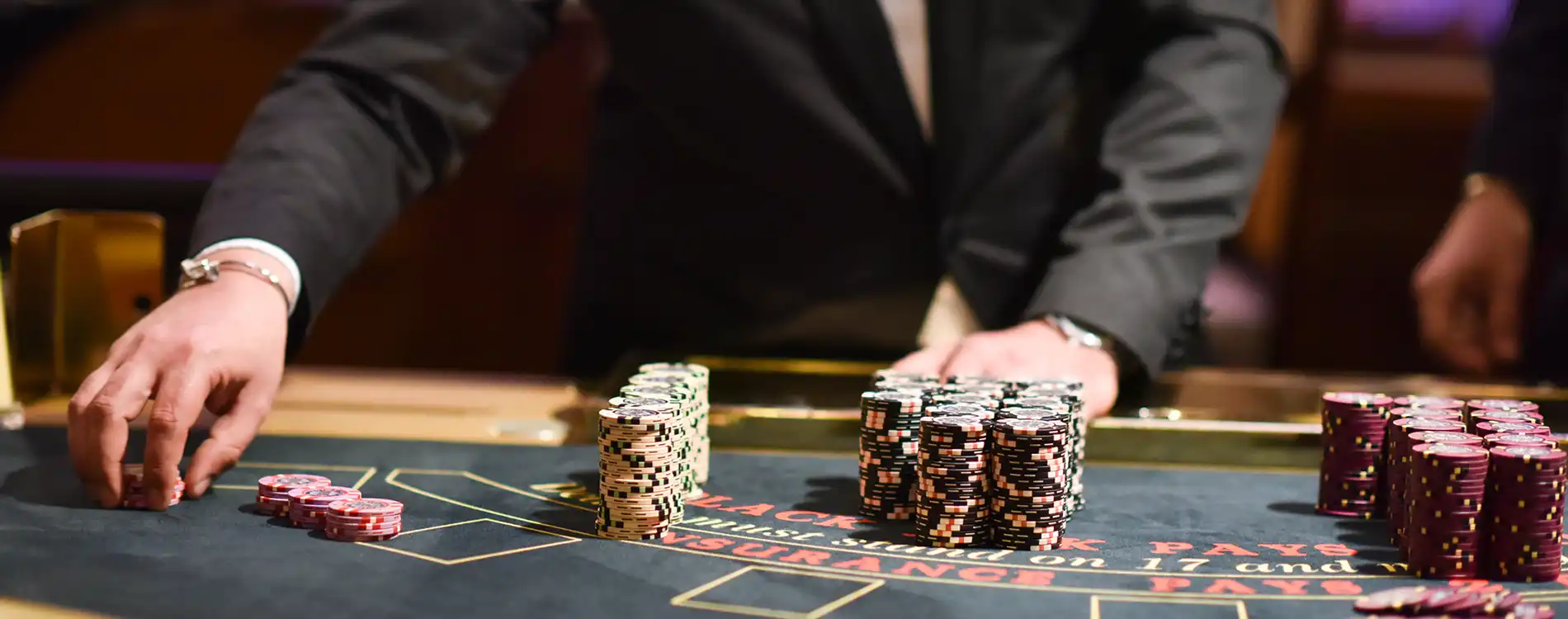
Moreover, this psychological lure of luck can contribute to a phenomenon known as the “gamblers’ fallacy.” This is the belief that past outcomes can influence future events in a random game of chance. For example, a player might think that since red has come up several times in roulette, black is now “due.” This misconception can lead to misguided betting patterns that are fueled by the desire for a perceived lucky outcome, further illustrating how deeply ingrained the concept of luck is within the casino culture.
The Role of Probability and House Edge
While luck plays a significant role in casino gaming, understanding probability and the house edge is crucial for players looking to succeed. Every game in a casino is designed with a built-in advantage for the house, meaning that while individual players may experience wins, statistically, the casino is set to profit over time. This is where luck interacts with probability; players may win big due to sheer chance, but in the long run, the odds are stacked against them.
For example, in games like blackjack, although players can employ strategies to minimize the house edge, luck still determines the cards they are dealt. Even the most skilled players can face unfavorable hands. This blend of skill, strategy, and luck creates a dynamic gaming environment where outcomes can vary drastically from one session to another. Players who understand this relationship are often more prepared for the ups and downs inherent in casino gaming.
The awareness of the house edge also affects players’ strategies and expectations. While luck can lead to momentary successes, grasping the reality of odds can help players make informed decisions. This balance allows gamblers to enjoy the thrill of luck while maintaining a realistic approach to their gameplay, ensuring that they understand that their fortunes can fluctuate dramatically based on both luck and statistical probabilities.
Luck and Social Interactions in Casinos
In addition to the individual experience, luck also enhances social interactions in casinos. Gamblers often share stories of their lucky wins, creating a culture of camaraderie among players. These shared experiences not only foster connections but also build a sense of community within the casino environment. Celebrating someone else’s fortune is a common practice in casinos, often leading to increased engagement and a sense of belonging among players.
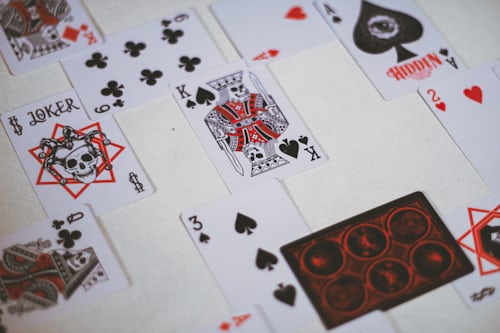
Casino events, such as tournaments or special promotions, are frequently built around the theme of luck. These gatherings amplify the excitement and anticipation, encouraging players to participate with the hope of hitting it big. When players win, it prompts enthusiastic reactions, not only for their victory but for the shared excitement it brings. This communal aspect of luck is a vital component of the overall gambling experience, reinforcing the idea that casinos are places for enjoyment and socializing, not merely betting.
Furthermore, the randomness of luck can lead to unique interactions and unexpected alliances among players. For instance, individuals may band together to cheer on a fellow player during a crucial moment, creating an environment of support and encouragement. These interactions can sometimes turn strangers into friends, highlighting how luck serves not only as a competitive element but also as a bridge in social relationships within the noisy, vibrant atmosphere of the casino.
Understanding the Role of Luck on Your Gaming Journey
As you embark on your gaming journey, recognizing the role luck plays is essential to enjoying your experience responsibly. While it can be thrilling to chase after winning streaks or jackpots, it is crucial to maintain a balanced perspective. Setting limits on your time and budget will allow you to savor the entertainment aspect of gambling without falling into the pitfalls of unrealistic expectations, which luck can often distort.
Educating yourself about the games you play can help you appreciate the blend of skill and luck involved. Understanding the rules, odds, and strategies can enhance your enjoyment and lead to more informed decisions at the gaming table. By approaching each gaming session with a clear understanding of how luck interacts with skill and probability, you can enjoy the thrill of the chase while keeping your experience grounded in reality.
Finally, remember that the excitement of chance is what made casinos popular destinations for gamers. As long as you approach your gaming with an open mind and an appreciation for the unpredictable nature of luck, you can find joy in both wins and losses. Casinos are designed to entertain, and recognizing luck’s critical role will ultimately enhance your experience, allowing you to relish the thrilling unpredictability of every game.

